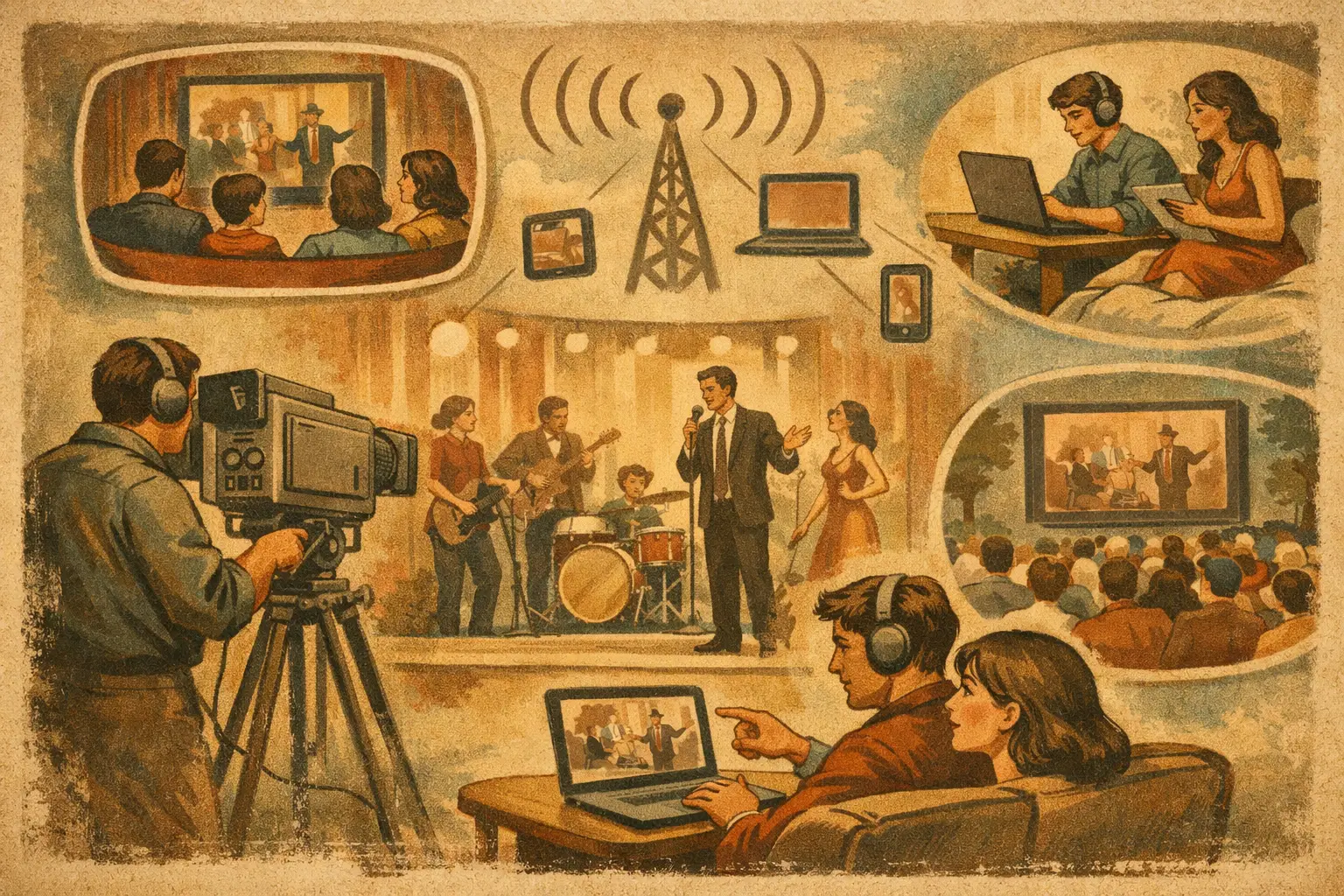
A live event can have great gear, a clean layout, and a solid run of show – and still feel flat the second you hit Go Live. The difference usually comes down to one thing: whether people feel like they are watching a broadcast or joining something that is happening with them. If you want to learn how to live stream events in a way that keeps people around, that shift matters more than any camera upgrade.
For card communities, gaming audiences, and Twitch-native viewers, a stream is not just content. It is a room. People want a reason to speak up in chat, react in real time, and feel like showing up live actually matters. That changes how you should plan everything from your tech stack to your pacing.
How to live stream events starts before you go live
The biggest mistake new streamers make is treating the event like the content is enough. It usually is not. A booster box opening, tournament watch party, product reveal, or community challenge can sound exciting on paper, but viewers need structure to know when to arrive, why to stay, and what they can do once they are there.
Start with the core promise of the event. What is the moment people do not want to miss? Maybe it is a collector box opening with high-value pulls, a giveaway window, a community vote, or a live reward trigger that changes the stream. If that moment is vague, the event will feel vague too.
Then build a simple event arc around it. Open strong, create a few clear peaks, and avoid long dead zones where nothing changes. A good live stream has movement. Even if the main activity is repetitive, like opening packs, the experience should still evolve as the stream goes on.
That can mean changing overlays, rotating audience prompts, tracking milestones, or setting reward thresholds. People stick around longer when they sense momentum.
Pick the right setup for the kind of event you are running
There is no perfect gear list for every creator. How to live stream events depends on what viewers actually need to see and hear.
If your event is built around personality and chat, clean audio matters more than a premium camera. If your event depends on close-up visuals, like card reveals or tabletop action, your camera and lighting suddenly matter a lot more. If your stream includes scene changes, alerts, scoreboards, or audience-triggered moments, your software setup needs to be reliable before the event starts, not halfway through it.
For most creators, a practical baseline is simple: one solid mic, one dependable main camera, one secondary angle if the event needs detail shots, stable internet, and streaming software you already know how to use. Fancy gear is fun, but unfamiliar gear causes panic.
Test your upload speed under real conditions, not ideal ones. Run a private stream. Check sync. Watch your own VOD for five minutes and ask the painful question: if this were not my stream, would I stay?
That answer tells you more than any spec sheet.
Your stream title and promo should sell the live moment
A lot of event promos sound like calendar reminders. That is a problem. People do not show up because something is scheduled. They show up because they think they will miss something good.
Your title, thumbnail, social posts, and pre-stream messaging should make the live value obvious. Not just what the event is, but why it is worth being there in real time. “Opening boxes tonight” is weaker than “Live collector box opening with chat rewards and surprise spins.” One says activity. The other says experience.
The best event promos also set expectations without overexplaining. Tell people when it starts, what the big draw is, and how they can participate. That is enough. If your audience has to decode the pitch, you already lost some of them.
Make chat part of the event, not background noise
This is where a lot of streams either become a community or stay a one-way show.
If you want viewers to feel invested, chat needs jobs. Give people things to react to, vote on, predict, redeem, or help decide. Ask fast questions with easy answers. Build recurring bits that regulars understand and new viewers can learn in under a minute. Reward participation in visible ways, even if the reward is as simple as seeing their username shape what happens next.
The sweet spot is interaction that feels meaningful without turning every minute into chaos. Too little interaction and the stream feels passive. Too much and it feels exhausting. If every moment demands input, viewers burn out and the event starts to drag.
This is especially true for collectible and gaming streams. The audience already likes suspense, surprise, and insider energy. Lean into that. Let chat guess the next pull, trigger a light change, vote on which pack goes next, or influence a challenge. That kind of participation turns the stream from “watch me do a thing” into “come hang out and affect the thing.”
That is a huge difference.
Pacing matters more than perfection
A live event with one scuffed transition and great energy will usually beat a polished event with no pulse.
The reason is simple. Viewers forgive small mistakes when the stream feels alive. They are much less forgiving of boredom.
Keep segments tight. If something repetitive is part of the appeal, add commentary, stakes, or mini-goals around it. If you need downtime for setup, fill it with intentional interaction instead of silence. Ask chat for predictions. Recap what has happened. Tease the next milestone. Keep the room moving.
It also helps to know where your energy naturally dips. Maybe it is twenty minutes in. Maybe it is after the first giveaway. Maybe it is during technical transitions. Once you know your weak spots, you can build around them.
A simple trick: every ten to fifteen minutes, give the audience something new to notice. A reward unlock, a progress bar update, a scene switch, a challenge, a recap, a surprise wheel, a fresh goal. It does not need to be huge. It just needs to signal that the event is still building.
Have a reason for people to stay until the end
A lot of creators front-load all the excitement. Big opener, quick spike, then a slow fade. That is rough for retention.
Instead, plant a few reasons to stay. Save one strong moment for later. Tease an end-of-stream reward. Build toward a community goal. Give your audience the sense that the stream is going somewhere, not just running until you get tired.
This does not mean dragging things out. People can tell when a creator is padding. It means structuring the event so there is real payoff in sticking around.
That payoff can be tangible or social. Maybe it is a giveaway, maybe it is a big reveal, maybe it is the final count on a challenge everyone followed together. Sometimes the best retention tool is simply a shared objective that the whole chat wants to complete before the night ends.
How to live stream events without burning yourself out
The more interactive your event becomes, the easier it is to overload yourself. Chat is moving, scenes are switching, alerts are firing, and you are trying to stay entertaining while also running production. That gets messy fast.
The fix is not making the event less fun. It is deciding what needs to be manual and what should be automated. If you can preset scenes, queue alerts, assign mod support, prepare commands, and build recurring segments into your system, you give yourself more room to actually host.
Hosting is the part viewers remember.
It also helps to be honest about your format. A high-energy event every single stream can be tough to sustain. Some communities thrive on weekly tentpoles because they feel special. Others do better with lighter recurring streams and one bigger event slot people can rally around. It depends on your audience, your schedule, and how much setup your format requires.
At MasterCopter, that live energy works because the event is not just about what is being opened on camera. It is about the audience showing up to influence the night. That is the model worth paying attention to, whether your niche is cards, gaming, collectibles, or something else entirely.
The best live streams feel like people would talk about them after
That is a good test for your format. Not whether the stream was technically fine. Not whether you filled two hours. Whether someone would message a friend and say, “You should have been there.”
Those are the events that grow.
If you are figuring out how to live stream events, focus less on making your broadcast look bigger and more on making your audience feel involved. Build moments people can affect, remember, and anticipate. Give them a reason to show up live instead of catching the replay later.
Because once your event starts feeling like a shared ritual instead of a one-way show, people stop just watching. They start returning.